
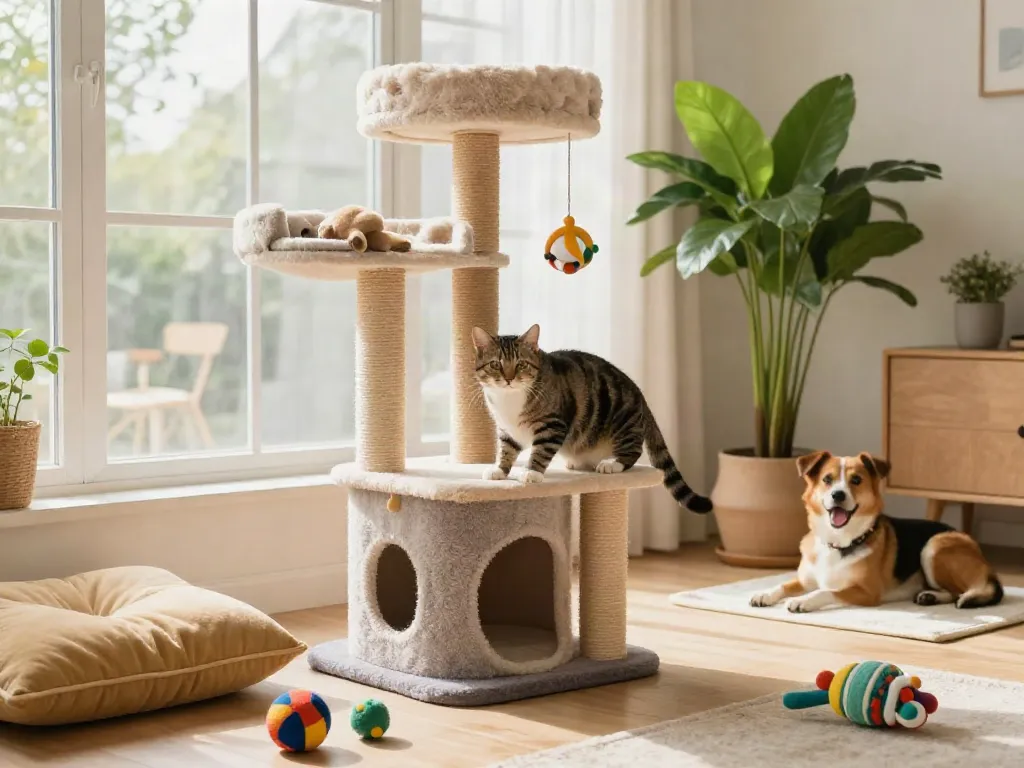
Understanding Cat Trees: What You Need to Know
Cat trees have become a staple in many households, serving as both entertainment and a necessity for our feline friends. These multi-functional structures not only provide a place for cats to play and explore, but also offer them a safe space to relax and observe their environment. As cat owners, investing in a quality cat tree can significantly enhance your pet's quality of life, offering them an outlet for their natural instincts. When exploring options, cat trees can provide comprehensive insights into the various styles and features available to meet your needs.
What are Cat Trees and Their Purpose?
Cat trees, also known as cat condos or towers, are structures designed specifically for cats to climb, scratch, sleep, and play. Typically made from various materials, cat trees feature multiple levels, platforms, and scratching posts. Their primary purpose is to give cats a space that mimics their natural environment, where they would typically climb trees or seek high vantage points. By providing this elevated space, cat trees help satisfy your cat’s instinctual behavior to climb and perch high above the ground.
Benefits of Cat Trees for Indoor Cats
Indoor cats often lack the stimulation that their outdoor counterparts receive. Cat trees serve as an essential resource for promoting physical and mental activity. Some key benefits include:
- Physical Exercise: The climbing and jumping involved in using a cat tree can help cats maintain a healthy weight and prevent obesity.
- Scratching Opportunities: With dedicated scratching surfaces, cat trees offer cats an appropriate avenue to express their scratching instincts, saving your furniture.
- Stress Relief: A cat tree can provide a safe retreat for cats when they feel anxious or overwhelmed, helping to reduce stress levels.
- Enrichment: By using a cat tree, you can enhance your cat’s environment, mitigating boredom and encouraging play.
Common Materials Used in Cat Tree Construction
Cat trees can be made from various materials, each offering different benefits. Common materials include:
- Wood: Provides durability and aesthetic appeal, although it can be heavier and more expensive.
- Particle Board: A lightweight and economical option, but may not withstand heavy use over time.
- Fabric and Carpet: Used for covering surfaces, providing comfort, and enhancing grip for cats when climbing.
- Sisal Rope: Frequently used for scratching posts, it is durable and allows cats to satisfy their scratching needs.
Choosing the Right Cat Tree for Your Feline Friend
Selecting the perfect cat tree can be a daunting task given the multitude of options available in the market. Thoughtful consideration of your cat’s needs and preferences, as well as your living space, is essential. Here are key aspects to consider:
Key Features to Look for in Cat Trees
When evaluating cat trees, certain features play a significant role in their functionality and appeal. Look for:
- Multiple Levels: Provides ample climbing opportunities and space for multiple cats.
- Quality Materials: Ensure the tree is made from sturdy materials that can withstand wear and tear.
- Safety Features: Look for trees with rounded edges and stable bases to prevent tipping.
- Hiding Spots: Cats often prefer enclosed areas where they can feel secure.
Size Considerations for Cat Trees
The size of the cat tree is critical depending on the space available in your home. Consider the height and footprint:
- Space Availability: Measure the area where you plan to place the tree to ensure it fits comfortably.
- Height: Taller trees are generally more appealing to cats, but ensure they are stable.
- Weight Capacity: Verify that the tree can support your cat’s weight, especially for larger breeds.
Design Styles: Modern vs Traditional Cat Trees
Cat trees come in various designs, catering to different aesthetic preferences. Modern cat trees often feature sleek, minimalist designs and may incorporate natural materials, while traditional models are typically bulkier and covered in carpet. Choose a design that complements your home decor as well as meets your cat’s needs.
Setting Up Your Cat Tree: Best Practices
After selecting the right cat tree, the next step is ensuring it's set up in a way that benefits both you and your cat. Here are some best practices:
Optimal Placement of Cat Trees in Your Home
Placement can significantly impact your cat's use of the tree. Consider these tips:
- Visibility: Place the tree in a location where your cat can see activity around them, making it more appealing.
- Sunlight: Cats love sunbathing; a sunny spot can increase the attractiveness of the tree.
- Away from Clutter: Ensure the area is free from obstacles that could make climbing difficult.
Enhancing Your Cat’s Experience with Accessories
Enhance the cat tree's functionality with additional accessories such as:
- Hanging Toys: These can encourage play and engagement.
- Cat Beds: Adding cozy beds can make higher platforms more inviting.
- Scratch Pads: Supplementary scratching surfaces can help protect the tree.
Maintaining Your Cat Tree: Cleaning and Care Tips
Regular maintenance of your cat tree is essential to keep it looking and smelling fresh. Here are some maintenance tips:
- Regular Vacuuming: Use a vacuum to remove cat hair and dander from the surfaces.
- Spot Cleaning: Wipe down surfaces with a mild detergent to keep them clean.
- Replace Worn Parts: Be proactive about replacing sisal and other parts as they wear out.
Common Misconceptions About Cat Trees
Despite their widespread use, there are several misconceptions about cat trees that can deter potential buyers. Let’s address some of these:
Are Cat Trees Only for Kittens?
Many believe cat trees are only suitable for kittens; however, they are beneficial for cats of all ages. Adult and senior cats also require appropriate outlets for exercise and play, making cat trees a worthwhile investment.
Do Cat Trees Take Up Too Much Space?
While some cat trees can be large, there are many compact designs available that fit smaller homes. It’s important to choose the right size to suit your living space.
How to Transition Your Cat to a New Tree
Transitioning your cat to a new tree should be gradual. Place the tree close to their usual resting area initially and encourage them to explore using treats or toys. Patience is key as they adjust to the new structure.
Future Trends in Cat Trees for 2026 and Beyond
The cat tree industry is evolving with innovative designs and functionality. Here are some anticipated trends that will shape the future:
Innovative Designs and Smart Features
Expect to see cat trees that incorporate smart technology, such as built-in cameras or interactive elements that engage your cat more actively and enrich their environment.
Sustainability in Cat Tree Manufacturing
As pet owners become more environmentally conscious, manufacturers will likely move towards using sustainable materials and production methods, appealing to eco-friendly consumers.
Predictions for Cat Tree Industry Growth
The demand for unique and stylish cat furniture is predicted to rise as more consumers see the value in investing in high-quality, visually appealing products that cater to their pets’ needs.
What is the best brand of cat tree?
There is no definitive answer as the best brand can depend on individual preferences and needs. Brands known for quality, such as Frisco and Vesper, are often highly rated by pet owners.
Are cat trees good for cats?
Yes, cat trees provide essential benefits for cats, including exercise, mental stimulation, and a safe space for rest. They can significantly improve your cat's quality of life.
Does Costco sell cat trees?
Yes, Costco frequently stocks a variety of pet supplies, including cat trees, providing options for cat owners looking for great deals on quality products.
What can I use instead of a cat tree?
If a cat tree isn't an option, consider alternatives like shelves or window perches that can provide climbing and resting spaces for your cat.
How often should you replace a cat tree?
On average, a cat tree should be replaced every few years, but this can vary depending on usage. Regularly inspect it for wear and repair or replace parts as needed.